Kopiku: A Versatile Typeface for Modern Design Applications
In the crowded landscape of digital typography, finding a typeface that balances artistic character with functional reliability is a common challenge for designers. Kopiku emerges as a compelling solution in this space, offering a blend of stylistic finesse and technical adaptability. Crafted with attention to detail, this font family is designed to bring visual life to clothing lines, product packaging, and digital media. Its utility extends beyond mere aesthetics; it serves as a practical tool for professionals who require consistency across various software platforms and output mediums.
For entrepreneurs, marketers, and creative freelancers, the choice of typography can significantly influence brand perception. Kopiku addresses this need by providing a versatile asset that integrates smoothly into existing workflows. Available in both OpenType (OTF) and TrueType (TTF) formats, it ensures compatibility with industry-standard design applications, reducing friction during the production phase. This article examines the characteristics, practical applications, and strategic value of incorporating Kopiku into your design toolkit.
Design Philosophy and Aesthetic Characteristics
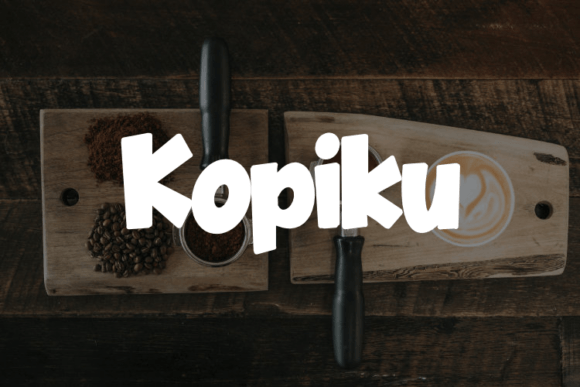
The core appeal of Kopiku lies in its ability to merge artistic expression with readability. Unlike purely decorative fonts that sacrifice legibility for style, or rigid sans-serifs that lack personality, Kopiku occupies a middle ground. It features clean lines and balanced proportions that allow it to stand out without overwhelming the surrounding design elements. This balance is crucial for product design, where the text must complement the visual identity of the item rather than compete with it.
When evaluating the font’s structure, one notices a deliberate approach to spacing and weight distribution. These elements contribute to its dynamic nature, making it suitable for both bold headlines and subtle subheaders. The artistic finesse mentioned in its description is evident in the nuanced curves and terminal details, which add a layer of sophistication to any composition. For clothing brands, this means that logos and graphic prints can achieve a premium look that resonates with contemporary fashion trends.
Furthermore, the font’s adaptability allows it to perform well in diverse contexts. Whether used on a minimalist business card or a vibrant social media campaign, Kopiku maintains its integrity. This consistency is vital for building a cohesive brand image. Designers often struggle with fonts that look impressive on screen but lose their impact when printed or scaled down. Kopiku’s robust construction helps mitigate these issues, ensuring that the design intent is preserved across different mediums.
Technical Compatibility and Workflow Integration
A significant advantage of Kopiku is its technical flexibility. The inclusion of both OTF and TTF formats addresses a common pain point for designers working across multiple operating systems and software environments. OpenType files are generally preferred for professional print work due to their advanced typographic features and broader character sets. TrueType files, on the other hand, offer widespread compatibility, particularly in web environments and older software versions.
This dual-format availability ensures smooth and stress-free integration into your creative process. For freelancers who may switch between Adobe Creative Cloud applications, Affinity Designer, or even web-based tools like Canva, having a font that installs and renders correctly is essential. It eliminates the troubleshooting time often associated with font conflicts or missing glyphs, allowing creators to focus on the artistic aspects of their projects.
Moreover, the file optimization of Kopiku contributes to its usability. Lightweight font files do not burden system resources, which is beneficial for users working on complex design layouts with numerous layers and assets. This efficiency supports a faster workflow, enabling quicker iterations and revisions. For small business owners who manage their own marketing materials, this ease of use lowers the barrier to entry for producing high-quality visual content.
Practical Applications in Product and Brand Design
The versatility of Kopiku makes it an ideal match for a wide range of design projects. Its primary strength lies in its ability to enhance design aesthetics without dictating a specific genre. This neutrality is a asset for agencies and independent creators who work with diverse clients. Below are several areas where Kopiku demonstrates particular effectiveness:
- Apparel and Merchandise: The font’s clear structure makes it highly effective for t-shirt graphics, hoodies, and accessory branding. It reads well at various sizes, from large chest prints to small tag labels.
- Packaging Design: Product packaging requires typography that communicates quality and clarity. Kopiku’s balanced weights allow it to handle product names, descriptions, and regulatory text with equal competence.
- Digital Marketing Assets: In social media posts, banner ads, and email newsletters, Kopiku provides a modern look that captures attention. Its legibility on screens ensures that messages are conveyed effectively to digital audiences.
- Corporate Identity: For startups and established businesses alike, Kopiku can serve as a primary or secondary typeface in brand guidelines. Its professional appearance supports credibility and trust.
Consider a scenario where a lifestyle brand is launching a new line of eco-friendly products. The design team needs a font that reflects sustainability and modernity. Kopiku’s clean yet organic feel can align with these values, providing a visual anchor for the campaign. Similarly, a tech startup might use Kopiku for its user interface elements, benefiting from its clarity and modern aesthetic.
Evaluating Long-Term Value and Usability
When investing in design assets, long-term value is a critical consideration. Kopiku offers sustained utility due to its timeless design principles. Trends in typography shift rapidly, but fonts that prioritize readability and balance tend to remain relevant longer. By choosing a typeface like Kopiku, designers avoid the need for frequent rebrands or updates solely due to stylistic obsolescence.
The reliability of the font also contributes to its value. Consistent rendering across different devices and printers reduces the risk of costly errors in production. For print-on-demand services, where precision is paramount, knowing that the font will appear as intended is a significant advantage. This reliability builds confidence in the design process, allowing creators to scale their operations without worrying about technical inconsistencies.
Additionally, the ease of customization enhances its usability. Designers can experiment with letter spacing, line height, and color treatments to create unique variations while maintaining brand consistency. This flexibility encourages creativity and allows for tailored solutions for specific project requirements. Whether adjusting kerning for a tight logo lockup or increasing leading for body text, Kopiku responds predictably to standard typographic adjustments.
Who Benefits Most from Using Kopiku?
While Kopiku is suitable for a broad audience, certain groups will find it particularly beneficial. Professional graphic designers will appreciate its technical robustness and aesthetic flexibility. Entrepreneurs and small business owners who handle their own branding will value its ease of use and professional appearance. Marketers and content creators can leverage its versatility to produce engaging visual content quickly.
Educators and publishers may also find Kopiku useful for educational materials and publications where clarity and engagement are key. The font’s ability to maintain readability in both print and digital formats makes it a reliable choice for textbooks, worksheets, and online courses. Serious hobbyists involved in DIY projects, such as custom printing or scrapbooking, will benefit from its accessible nature and high-quality output.
However, it is important to recognize potential limitations. While versatile, Kopiku may not be the best choice for projects requiring highly specialized historical or script styles. Designers seeking a handwritten or heavily distressed look might need to supplement Kopiku with other typefaces. Understanding the specific needs of your project is essential to determining if Kopiku is the right fit.
Final Recommendations for Implementation
To maximize the potential of Kopiku, consider integrating it thoughtfully into your design system. Start by testing it in various contexts to understand its behavior at different sizes and weights. Pay attention to hierarchy and contrast when pairing it with other fonts. Kopiku works well with simple sans-serifs for body text or complementary serifs for a more traditional feel.
Ensure that you have the appropriate licenses for your intended use, especially for commercial projects. Proper licensing protects both the creator and the user, ensuring ethical usage of intellectual property. By respecting these guidelines, you contribute to a sustainable ecosystem for type design.
In conclusion, Kopiku represents a well-rounded option for designers seeking a balance of style and function. Its artistic finesse, combined with technical reliability, makes it a valuable addition to any creative toolkit. By understanding its strengths and applications, you can make informed decisions that enhance your design outcomes and support your brand’s long-term goals. Whether you are refining a corporate identity or launching a new product line, Kopiku offers the adaptability and quality needed to succeed in today’s competitive visual landscape.