Good Question: The Techno-Sci-Fi Font That Bridges Bold Design and Clarity
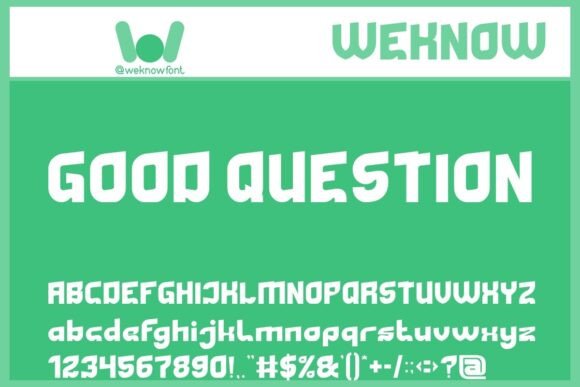
In the crowded landscape of digital design, finding a typeface that balances aggressive personality with legible functionality is often a struggle. You want something that screams "future," but you also need your audience to actually read what you are saying. This is where Good Question enters the conversation. It is not just another display font; it is a techno-sci-fi fantasy materialized into a typographic tool. With its urban, bold influence, it holds an edge that is sharp yet clear, marrying industries and technology in a mesmerizing display of typography.
For creators, entrepreneurs, and marketers, the challenge is rarely about finding a font that looks cool. The real challenge is finding one that works across multiple mediums without losing its impact. Whether you are designing a logo for a tech startup, creating a poster for an underground music event, or laying out a comic strip, Good Question offers a versatile solution that adapts to the medium rather than fighting against it.
Why Urban Edge Meets Corporate Clarity
The primary appeal of Good Question lies in its duality. Most sci-fi fonts lean too heavily into abstraction, making them difficult to read at smaller sizes or on low-resolution screens. Others are so sterile and corporate that they lack any distinct character. Good Question sits comfortably in the middle. It draws inspiration from urban aesthetics—think graffiti tags, street signage, and industrial labeling—but refines these elements into a clean, structured format.
This makes it perfectly tailored for ventures in logos, headlines, and corporate and brand identity projects. Imagine a cybersecurity firm that wants to appear cutting-edge but trustworthy. A traditional serif font might feel too old-fashioned, while a chaotic glitch font could seem unprofessional. Good Question provides that technological edge while maintaining the structural integrity required for corporate communication. It signals innovation without sacrificing reliability.
Real-World Applications for Creators and Brands
The versatility of this typeface doesn’t end with corporate branding. It effortlessly enhances any piece in the apparel industry, captivating posters, music-themed projects, movies, games, or in print for magazines and books. Let’s look at how different users can leverage this font in their specific workflows.
Fashion and Apparel Design
In the world of streetwear and modern fashion, typography is often the main graphic element. T-shirts, hoodies, and caps require designs that are instantly recognizable from a distance. Good Question’s bold strokes and geometric shapes make it ideal for screen printing. It stands out against both dark and light fabrics, offering a futuristic vibe that appeals to younger demographics who value aesthetic novelty. For a brand launching a new line of tech-infused activewear, using this font on packaging and labels creates a cohesive visual narrative before the customer even tries on the product.
Entertainment and Media Projects
For those working in music-themed projects, movies, or games, atmosphere is everything. A synth-wave album cover needs to evoke nostalgia for a future that never happened. Good Question delivers this with precision. Its sharp angles mimic the digital waveforms and neon lights associated with electronic music genres. Similarly, indie game developers can use it for title screens and in-game HUDs (Heads-Up Displays) to establish a sci-fi setting immediately. It reduces the need for excessive graphical assets because the text itself carries the thematic weight.
Publishing and Editorial Layouts
Even in print, such as magazines and books, this font finds its place. While it may not be suitable for long body text due to its decorative nature, it excels in chapter headers, pull quotes, and sidebars. In a magazine article about artificial intelligence or urban planning, using Good Question for subheadings breaks up the monotony of standard serif or sans-serif bodies. It guides the reader’s eye and adds a layer of visual interest that keeps the layout dynamic.
Digital Presence and Social Media Impact
We live in an attention economy, particularly on platforms like YouTube, Instagram, and personal websites. Here, the first few seconds determine whether a user engages or scrolls past. Good Question offers an eye-catching feature for various platforms, helping content creators stand out in a saturated feed.
- YouTube Thumbnails: Text on thumbnails needs to be punchy and readable on small mobile screens. The bold weight of Good Question ensures that titles pop against busy background images.
- Instagram Stories and Reels: When overlaying text on video content, clarity is key. This font’s clean lines prevent visual clutter, allowing the message to be absorbed quickly.
- Website Headers: For freelancers and small business owners building their online portfolios, using Good Question in hero sections can define their brand personality instantly. It suggests a modern, forward-thinking approach to their services.
Adding Humor and Lightness to Design
Interestingly, despite its techno roots, Good Question has a star quality that makes it a dynamite choice for light-hearted comic strips and cartoons. This might seem counterintuitive, but the rigidity of the font can create a humorous contrast when paired with whimsical illustrations. Think of a robot character trying to understand human emotions; the stark, mechanical font used for its dialogue bubbles enhances the comedic effect. It shows that the font is not limited to serious or dark themes but can be playful when contextually applied.
What to Consider Before Using Good Question
While Good Question is a powerful tool, it is not a one-size-fits-all solution. Before downloading or purchasing, consider the following practical aspects to ensure it aligns with your project goals.
Legibility at Scale: Although it is clearer than many decorative fonts, it is still a display typeface. Avoid using it for long paragraphs of body text. Stick to headlines, short captions, and logos where its unique characteristics can shine without causing reader fatigue.
Pairing Strategies: To maximize its impact, pair Good Question with a neutral, highly legible sans-serif font for supporting text. This creates a visual hierarchy where the techno-font acts as the accent, drawing attention, while the secondary font handles the informational heavy lifting. Overusing it can dilute its special effect.
Industry Fit: Ask yourself if the "techno-sci-fi" aesthetic matches your brand voice. If you are running a organic farm or a vintage antique shop, this font might clash with your core values. However, if you are in tech, gaming, modern fashion, or creative arts, it is likely a perfect match.
Dive Into Your Creative Process
Ultimately, typography is about communication. It is the voice of your visual design. Good Question allows you to speak with authority, modernity, and a touch of futuristic flair. It removes the guesswork from finding a font that bridges the gap between artistic expression and commercial viability.
Whether you are a seasoned graphic designer looking for a fresh addition to your toolkit, or a small business owner trying to elevate your brand identity, this font offers a ready-made solution. It saves time by reducing the need for custom lettering while providing a unique look that stock fonts often lack. By integrating Good Question into your projects, you are not just choosing a font; you are choosing a design partner that understands the pulse of modern digital culture.
So, dive into your creative process armed with Good Question, the font that adds a twist of futurism to your designs. Experiment with it in your next logo draft, test it on a social media campaign, or use it to headline your next blog post. You may find that the right typeface does not just display your words—it amplifies your message.